Go back
Insights
Beginner’s Guide to Your First Hackathon
Your first hackathon can feel overwhelming, but it doesn’t have to be. You don’t need to be an expert to participate, just curious and willing to build. Here’s everything you need to know to confidently start your hackathon journey.
5 min read
The Fear: “Am I Good Enough?”
Most first-time participants hesitate for the same reason - self-doubt.
You think you need to be an expert developer. You think you need years of experience. You think you need the “perfect” idea. You don’t.
Hackathons are built for learning. They bring together developers, designers, problem-solvers, and beginners who are willing to experiment. Skill level matters far less than curiosity and action.
The only real mistake? Not starting.
What a Hackathon Actually Is
A hackathon is a time-bound innovation sprint usually 24 to 48 hours. You form a team. You pick a problem. You build a working solution. You present it to judges. That’s it. It’s not about perfection. It’s about progress. Judges evaluate creativity, practicality, execution, and clarity not just complex code.
Your First Goal: Build Something Real
Beginners often aim too big. They try to build a full-scale platform, a complex AI engine, or a feature-packed product in two days. That’s where teams collapse. Instead, focus on one clear problem and one workable solution. A simple, functional prototype beats an unfinished ambitious idea every time.
Hackathons reward clarity and execution.
Find the Right Team
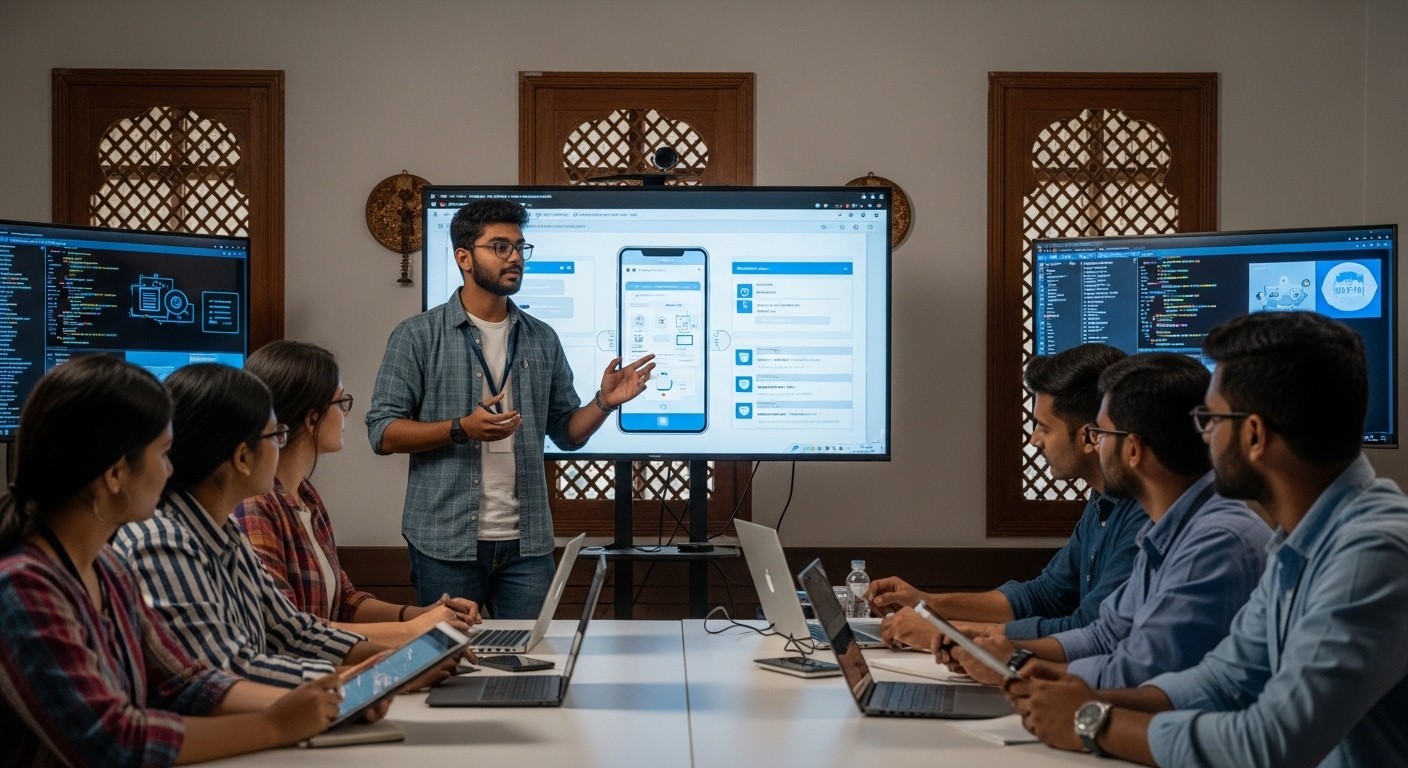
You don’t need a “super team.” You need a balanced team. A developer who can build. A designer who can simplify. Someone who can explain the idea clearly. If you don’t have a team, most hackathons help you find one. What matters is collaboration, not credentials. Communication wins more hackathons than talent alone.
Plan Before You Code
The biggest rookie mistakes? Jumping straight into development. Spend the first hour defining: What problem are we solving? Who is it for? What is the core feature?
Clear direction prevents chaos later. Strong planning makes limited time feel expandable.
Manage Time Like a Builder
Hackathons move fast. Time disappears.
A smart approach:
Start with brainstorming. Move into focused development. Reserve final hours for testing and pitch preparation. Never add major features at the last minute. Polish what works instead. A stable demo beats a broken masterpiece.
Your Presentation Matters More Than You Think
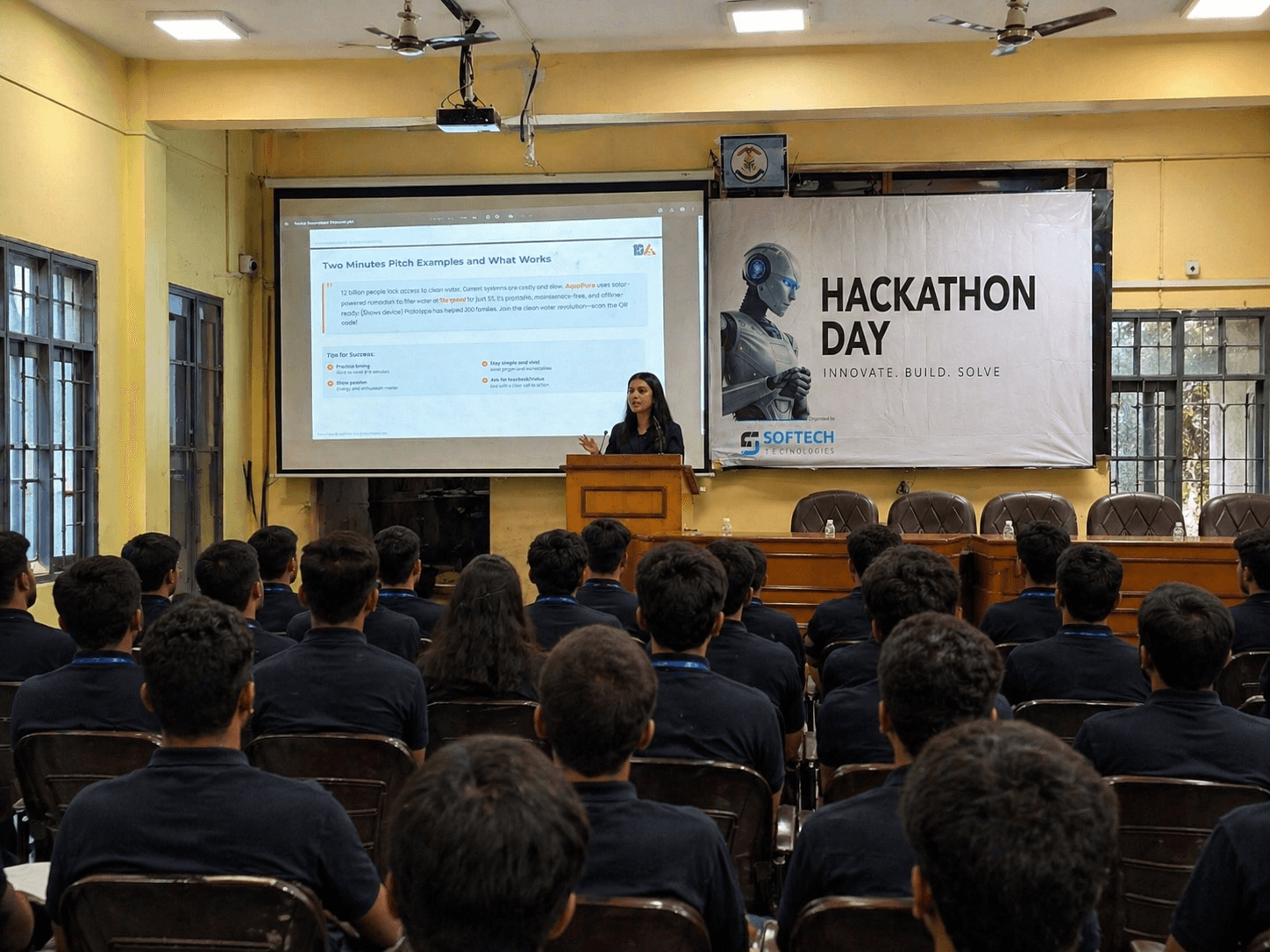
At the end, you’ll pitch your solution. This is where many beginners underestimate impact.
Explain:
The problem. Your solution. How it works. Why it matters. Keep it structured. Keep it confident. Even a simple project can stand out with a clear pitch. Judges remember clarity.
What You Actually Gain
Even if you don’t win, you walk away with:
Real-world building experience. A project for your portfolio. Team collaboration skills. Confidence under pressure. Connections with mentors and peers. Your first hackathon is less about trophies more about transformation. You leave sharper than you arrived.
The Bigger Picture
Hackathons compress months of learning into days.
They push you outside your comfort zone. They force you to build, not just consume. They show you what you're capable of under pressure. You don’t need to feel ready. You just need to start.
Your First Hackathon Starts With One Decision
Not when you’re “perfect.” Not when you’ve mastered everything. Now. Join. Build. Learn. Improve. That’s how real growth begins.
View more articles
Learn actionable strategies, proven workflows, and tips from experts to help your product thrive.